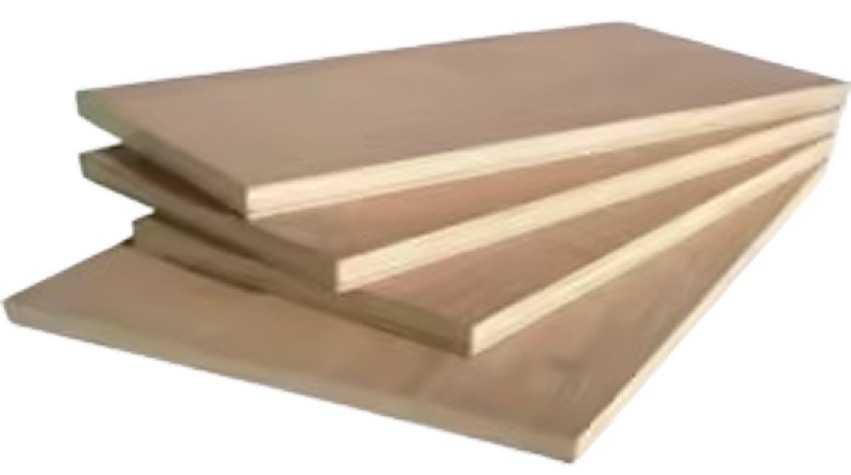
Export Quality Plywood Packing in Mumbai
Europack - Mumbai, Maharashtra, India
In the complex world of industrial export packing where regulations, durability requirements, and cost considerations intersect, plywood has emerged as the material of choice for manufacturers and exporters who need reliable, cost-effective packaging solutions that meet international shipping standards. Europack operates as Mumbai's premier plywood packing specialist, providing comprehensive solutions from ISPM 15 compliant fumigated plywood sheets to complete custom-built plywood crates designed for heavy machinery protection. With manufacturing facilities in Mumbai and a network spanning Maharashtra's industrial belt, we serve exporters, project cargo handlers, heavy equipment manufacturers, and international freight forwarders who require plywood packing that combines structural strength with regulatory compliance.
About Plywood for Export Packing
Plywood used for industrial export packing differs significantly from decorative plywood used in furniture or interior applications. Export-grade plywood must meet specific structural standards including minimum ply count, adhesive bonding strength, moisture resistance, and pest-free certification. The material consists of thin wood veneers (plies) laminated together with the grain direction of adjacent plies running perpendicular to each other. This cross-grain construction provides exceptional dimensional stability and resistance to splitting—critical properties when plywood is used to construct crates that must survive rough handling during international transportation.
Europack maintains an extensive inventory of BWR (Boiling Water Resistant) and BWP (Boiling Water Proof) grade plywood specifically selected for export packing applications. Our standard export packing plywood ranges from 6mm thickness for light-duty applications and internal bracing to 25mm thickness for heavy load-bearing applications such as machinery base supports and equipment flooring. The plywood we supply conforms to Indian Standards (IS 303) for commercial plywood and undergoes mandatory heat treatment or chemical fumigation to achieve ISPM 15 compliance—the international phytosanitary standard required for wood packaging materials entering most countries including USA, EU member states, Australia, and Japan.
Applications in Export Operations
The versatility of plywood makes it the preferred material across diverse export packing scenarios. Heavy machinery manufacturers rely on thick plywood (18-25mm) to construct robust bases and floors inside wooden crates that must support equipment weighing several tons. The load distribution properties of cross-laminated plywood prevent localized failure that could occur with solid wood planks. CNC machine exporters use plywood extensively to build custom crates with internal bracing that prevents machine movement during sea freight while providing mounting points for lashing straps and dunnage bags.
Automotive component exporters utilize marine-grade plywood to construct moisture-resistant boxes for shipments to humid climates. The boiling water proof adhesive used in marine plywood maintains bonding integrity even when crates are exposed to condensation inside shipping containers or rain during port handling. Electronics manufacturers export delicate equipment in plywood crates lined with anti-static foam, where the smooth plywood interior surface allows clean foam adhesion without gaps that could allow equipment movement. Industrial pump manufacturers constructing crates for large centrifugal pumps value plywood's ability to be precisely cut and jointed, creating boxes with tight-fitting lids that exclude dust and moisture during storage before shipment. Project cargo handlers packaging custom-manufactured industrial equipment—from brewing tanks to printing press components—rely on plywood's adaptability to create one-off packaging solutions sized exactly to equipment dimensions, minimizing interior void space that could allow shifting during transport.
Benefits of Quality Plywood Packing
Choosing quality export-grade plywood from Europack rather than using substandard material or non-compliant wood products delivers measurable advantages that extend beyond regulatory compliance. The primary benefit is structural reliability under real-world shipping conditions. Quality plywood maintains its load-bearing capacity and dimensional stability when subjected to humidity variations, temperature changes, and physical stress during container loading, sea voyage, port handling, and final delivery. A properly constructed plywood crate can be stacked three or four units high in a container or warehouse without risk of collapse—maximizing space utilization and reducing freight costs per unit shipped.
ISPM 15 compliance eliminates customs delays and potential financial penalties. Countries implementing phytosanitary wood packaging regulations can refuse entry to shipments packed in non-compliant wood materials, resulting in demurrage charges, re-packing expenses at destination ports, or in worst cases, destruction of the packaging and potential damage to goods during forced re-packing. Europack's fumigated plywood carries the required certification marks (HT stamp for heat treatment or MB stamp for methyl bromide fumigation) that customs authorities recognize, ensuring smooth clearance at destination. The cost-effectiveness of plywood versus alternative materials like plastic or metal becomes apparent in export operations. While initial material cost may be comparable, plywood's workability allows fabrication of complex crate designs using basic woodworking tools available at any packing facility. This means you can construct custom-sized crates on-demand rather than maintaining expensive inventory of pre-made containers in various sizes. The lightweight nature of plywood relative to its strength reduces freight costs for air shipments and allows more efficient use of container weight limits for sea freight.
Technical Specifications
Understanding plywood technical specifications is essential for selecting the appropriate grade and thickness for specific packing applications. Plywood thickness directly correlates with load-bearing capacity and spans that can be safely bridged without internal support. For reference, 6mm plywood is suitable for crate top covers and side panels when supported by a structural frame at intervals of 300-400mm. 12mm plywood works well for general crate construction with frame spacing of 500-600mm and can support moderate loads when used as flooring. 18mm plywood is recommended for heavy-duty applications including machinery bases, fork-entry beams in large crates, and structural frames requiring high bending resistance. 25mm plywood is reserved for extreme load-bearing situations such as supporting multi-ton equipment or serving as the primary structural member in large transport frames.
Plywood grade designations indicate the quality of face veneers and core construction. BWR (Boiling Water Resistant) grade plywood uses phenolic resin adhesive that maintains bond strength when exposed to moisture but is not fully waterproof. BWR plywood is adequate for export packing to dry or moderate climates and represents the most economical choice for most applications. BWP (Boiling Water Proof) grade, also called marine plywood, uses premium phenolic resin with enhanced moisture resistance. This grade is specified for shipments to tropical climates, sea freight routes with extended voyage duration, or when crates may be stored outdoors before shipment. The core construction of export packing plywood typically consists of hardwood veneers from species such as gurjan, teak, or birch. Core quality affects impact resistance and screw-holding capacity—important when crates must be opened and re-closed multiple times or when lashing hardware is secured to plywood panels.
Industries Served
Europack's plywood packing solutions serve exporters across India's diverse manufacturing sectors. The machine tool industry represents a significant customer base, with manufacturers of CNC machines, lathes, milling machines, and grinding equipment requiring robust plywood crates that can support machines weighing from 500kg to 50 tons. We supply both plywood sheets for on-site crate construction and complete fabricated crates built to customer specifications. Machine tool exporters particularly value our ability to provide detailed packing documentation including load calculations, bracing specifications, and moisture barrier recommendations that their international customers require for insurance and customs purposes.
The industrial equipment sector including pump manufacturers, compressor producers, generator suppliers, and HVAC equipment makers relies heavily on plywood crating. These customers require fumigated plywood that meets destination country regulations while providing adequate structural support for equipment with complex geometries. Europack works closely with equipment manufacturers to design plywood crate configurations that accommodate protruding pipes, electrical junction boxes, and control panels without requiring excessive crate dimensions. The automotive components export industry uses plywood extensively for constructing returnable packaging systems. Components like engine blocks, transmission assemblies, and body panels are shipped in standardized plywood boxes designed for multiple-use cycles. We supply marine-grade plywood for these applications to ensure the boxes withstand repeated exposure to cleaning processes and environmental conditions across international supply chains.
Why Choose Europack for Plywood Packing
Selecting Europack as your plywood packing supplier provides distinct advantages rooted in our specialized focus on industrial export applications. Unlike general lumber yards or plywood distributors catering primarily to construction and furniture sectors, Europack operates exclusively within the industrial packaging domain. This specialization means our technical team understands the unique requirements of export packing—ISPM 15 compliance, load calculation for sea freight, moisture barrier requirements for different destination climates, and customs documentation needs. When you consult with Europack about plywood packing requirements, you're speaking with experts who have solved similar challenges hundreds of times for other exporters.
Our quality control procedures ensure consistent material performance critical for export operations. Every plywood consignment entering our Mumbai warehouse undergoes multi-point inspection including thickness verification using digital calipers, moisture content measurement using calibrated meters, visual examination for delamination or core gaps, and fumigation certification review. This inspection process eliminates substandard material before it reaches customer packing operations. The consistency of Europack's plywood supply allows manufacturers to establish standardized packing procedures knowing that material properties remain stable batch after batch. Our comprehensive fumigation certification management removes a significant administrative burden from exporters. We maintain complete documentation for all fumigated plywood including heat treatment certificates, fumigator credentials, and treatment date tracking. Upon delivery, customers receive properly marked ISPM 15 compliant material with supporting documentation that satisfies customs requirements worldwide. This certification assurance eliminates the risk of using non-compliant material that could jeopardize export shipments.
Frequently Asked Questions
What is the difference between BWR and BWP plywood for export packing? BWR (Boiling Water Resistant) plywood is manufactured using phenolic resin adhesive that resists moisture degradation under normal exposure but will delaminate if continuously submerged in water. BWP (Boiling Water Proof) plywood, also called marine plywood, uses enhanced phenolic resin formulations that maintain bond strength even under prolonged water exposure. For most export packing applications, BWR plywood provides adequate moisture resistance and represents the more economical choice. BWP plywood should be specified when crates will be exposed to tropical humidity, monsoon storage conditions, or sea spray during deck cargo transportation. The performance difference justifies the higher cost of marine plywood only in these specific high-moisture scenarios.
How long does ISPM 15 fumigation certification remain valid? ISPM 15 heat treatment creates a permanent physical change in wood cellular structure that eliminates pests and their eggs, so treated wood maintains its compliant status indefinitely as long as it's not re-infested through contact with non-treated wood or exposure to pest-prone environments. However, the fumigation mark (HT or MB stamp) applied to treated plywood can fade over time due to weathering or handling. For export compliance purposes, destination customs authorities must be able to clearly read the ISPM 15 mark on wood packaging. Europack applies durable ink stamps designed to remain legible through typical handling and short-term storage. For plywood stored long-term before use, we recommend protecting marked surfaces from moisture and direct sunlight to preserve mark visibility. Fresh fumigation marks can be re-applied by certified fumigators if original marks become illegible.
Can plywood crates be reused for multiple export shipments? Yes, properly constructed plywood crates designed for reusability can complete multiple export cycles, providing significant cost savings for manufacturers shipping equipment regularly. Reusability depends on several design factors including plywood thickness, fastening method, and crate reinforcement. Crates assembled with threaded fasteners (bolts and nuts) rather than nails allow disassembly and reassembly without damaging plywood panels. Using 18mm or thicker plywood for structural members ensures panels withstand repeated handling stress. Adding metal corner protectors and edge trim extends crate service life by preventing edge damage during forklift handling. Europack designs returnable plywood crates for customers with regular shipping requirements, optimizing the cost-per-use by balancing initial crate cost against expected reuse cycles. For international reusable packaging systems, we recommend marine-grade BWP plywood to ensure moisture resistance across varied climate conditions.